Prevent damp and mould in your home from £2,902 - Awaab's Law
Damp is one of the most common and frustrating property issues faced by homeowners in the UK. It can lead to mould growth, structural damage, and even health problems if left untreated.
Awaab's Law (effective Oct 27, 2025) forces social landlords to investigate damp/mould within 10 working days, initiate repairs within a further 5 working days, and fix emergency hazards within 24 hours. It creates strict, legally binding timelines to protect tenant health, with potential for court action if ignored.
Damp proofing your property is the best way to protect it against excess moisture and ensure a healthy, comfortable living environment, whether you’re tackling a small patch of rising damp or waterproofing a basement conversion. Read our guide to find out the cost of different types of damp proofing and which one is best for your home.
How much does damp proofing cost?
The cost of damp proofing depends on the type of damp, the treatment method, and the size of the affected area. On average, you can expect to pay the following:
|
Type of property |
Type of damp proofing |
Average cost |
|---|---|---|
|
Terraced house |
Injection damp proofing |
£1,200 |
|
Damp proof membrane (DPM) |
£3,000 |
|
|
Semi-detached house |
Injection damp proofing |
£2,500 |
|
Damp proof membrane (DPM) |
£5,000 |
|
|
Detached house |
Injection damp proofing |
£5,000 |
|
Damp proof membrane (DPM) |
£6,000 |
|
|
New damp proof course (DPC) |
£2,000-£8,000+ |
|
|
Injection damp proofing (per metre) |
£100 |
|
|
Damp proof membrane (per m²) |
£100 |
|
|
Basement tanking (per m²) |
£120 |
|
|
Damp survey |
£150-£600 |
These costs are based on the hourly and daily rates of our tradespeople working across the UK. To get a more accurate price for your area, take a look at our damp proofing cost table and find your nearest town or city.
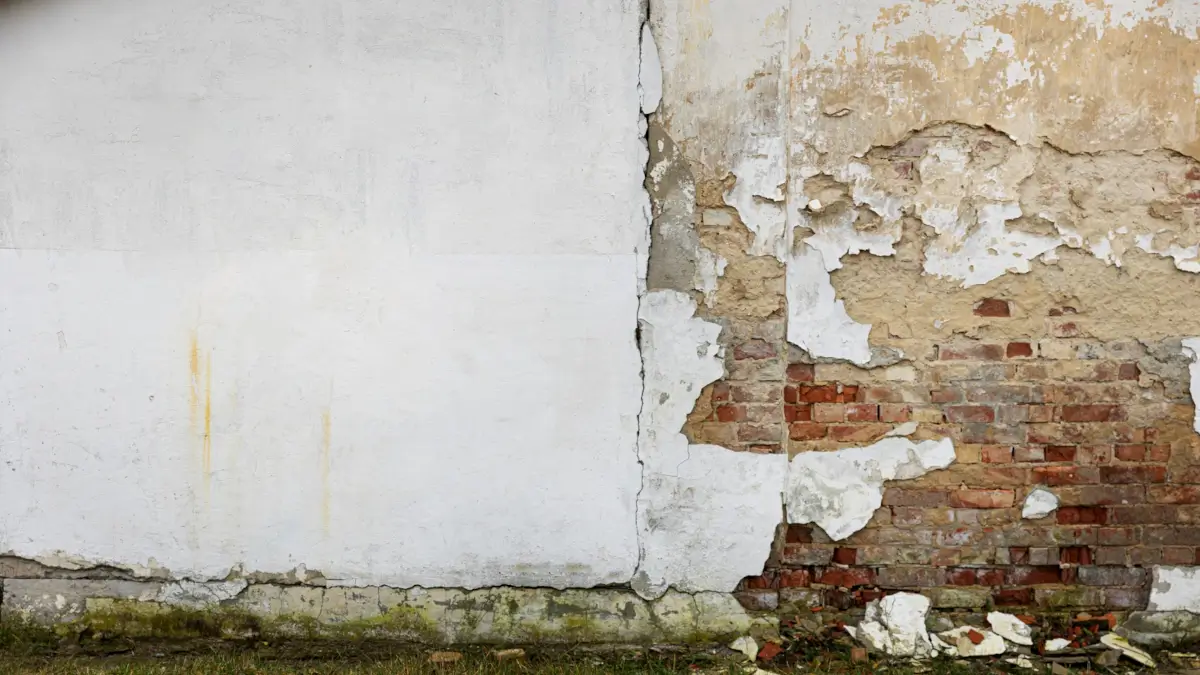
Types of damp proofing
Different damp problems require different treatment methods. Here’s a breakdown of the most common options and when they’re used:
Damp proof course (DPC)
A damp proof course is a physical or chemical barrier built into walls to prevent moisture from rising up from the ground. Modern homes are built with a DPC layer, usually made from a bitumen or plastic sheet.
In older properties, a new DPC may need to be installed if the original has failed. This can happen when you have building works done that raise the ground level above the existing DPC. Other common ways that a DPC can fail are if there is building movement or the material breaks down due to old age and cracks.
Many older houses, especially those built before 1875, lack a DPC entirely. Installing a new one in these properties often involves chemical injection or physical replacement of bricks and mortar courses. While effective, this can be more invasive and costly, especially if the wall construction makes access difficult.
Damp proof membrane (DPM)
A damp proof membrane (DPM) is a thick plastic sheet installed beneath floors or within walls to stop moisture passing through. It’s often used in basements, ground floors and under new flooring. When fitted on walls, they are usually studded sheet membranes which allow moisture to evaporate, as well as giving a good surface for a plasterer to skim over.
Damp proof membranes are extremely effective at preventing rising and penetrating damp, salt damage and condensation.
Injection damp proofing
Injection damp proofing, often referred to as chemical damp proofing, is one of the most popular treatments for rising damp. It involves drilling small holes into the mortar joints in walls and injecting a waterproof silicone-based cream solution that forms a moisture barrier. It’s less disruptive than installing a full DPC and works well in most modern brick structures.
When preparing your walls for injection damp proofing, you’ll need to remove things like skirting boards and architraves and disconnect radiators from internal walls. Your damp specialist should help with exposing the external brickwork.
You will probably need to remove contaminated plaster from your walls if you’re suffering from rising damp. You should remove it to a height of no less than 1 metre, as this as high as damp tends to go. A plasterer can then board and skim the walls when the treatment is complete.
Basement tanking
Basement tanking is a heavy-duty waterproofing process that involves coating the walls and floors of a basement with a watertight coating or membrane. It completely seals the surface to prevent groundwater from seeping in. It’s known in the industry as ‘Type A’ waterproofing.
If you’re having a basement conversion, talk to your builder and surveyors about the type of waterproofing you need. In many cases, you will need tanking and a cavity drain system with a sump pump to protect your home from flooding and damp.
Types of damp
There are a few types of damp to be aware of. Which one you have in your home will determine the best treatment, so it’s important to be able to spot the signs.
Condensation
Condensation is caused by warm, moist air meeting cold surfaces like windows or walls. It’s most common in bathrooms, kitchens and poorly ventilated rooms. If left untreated, it can cause mould, which, as well as looking unsightly, can be bad for your health.
The best fix is to improve ventilation by installing extractor fans, trickle vents in your windows, or using dehumidifiers rather than structural damp proofing.
Rising damp
Rising damp occurs when groundwater travels up through porous walls and floors due to capillary action. It’s identifiable by tide marks, peeling wallpaper, or salt deposits near the skirting boards. Usually, you will see these marks rise no higher than a metre on your walls.
In most cases, rising damp is not covered by home insurance. Insurers typically classify it as a maintenance issue rather than sudden damage. If damp results from a specific event, such as a burst pipe, that incident might be covered, but gradual rising damp rarely is.
Penetrating damp
Penetrating damp happens when water enters through external walls, roofs, or windows. This is often due to damaged pointing, cracked render, or blocked gutters. You may notice that this type of damp gets worse after heavy rain.
The cost of repair depends on the source of the leak and the extent of the internal damage. You may need new rendering on your external walls and new plasterboard on the inside, so there’s a range of costs to consider.
How long does damp proofing take?
The time required for damp proofing depends on the treatment and extent of the issue:
|
Treatment type |
Typical duration |
|
Injection damp proofing |
2-4 days |
|
Damp proof membrane installation |
1-4 days |
|
Full DPC replacement |
3-7 days |
|
Basement tanking |
1-3 weeks |
These timescales are for the damp proofing work only. You’ll need to consider the time that remediation works will take, such as plastering and redecorating, along with drying times for your walls if they’re damp. Drying can take as long as 6 months, or even 12 months for very damp walls.
Can damp come back after damp proofing?
If the damp proofing is correctly installed and the underlying causes are addressed (such as poor ventilation or damaged gutters), the damp shouldn’t come back.
A well-installed damp proof course should last at least 20-30 years, if not longer. Chemical DPCs may need reapplication sooner if not properly maintained or if the building settles and cracks appear. Regular property inspections can help catch problems early and extend the lifespan of your damp protection.
If your walls were heavily stained due to damp, you may find that staining bleeds through even after you’ve had the problem fixed. It doesn’t necessarily mean that the damp has come back. You may need a plasterer to use a special water-resistant plaster system to stop the stains from bleeding through your new walls.
What is better, damp proofing or waterproofing?
While both prevent moisture ingress, the difference lies in the level of protection and where you are having the treatment:
- Damp proofing prevents moisture from being absorbed into walls or floors, but doesn’t stop water under pressure.
- Waterproofing completely seals an area against water ingress, making it suitable for basements or below-ground spaces.
If your issue is minor or limited to condensation or rising damp, damp proofing is usually sufficient. For basements or homes in flood-prone areas, waterproofing is the more reliable long-term solution.
Can I damp proof my house myself?
You can tackle minor damp issues, such as condensation, by improving ventilation, using dehumidifiers, and repairing external damage. DIY damp proof injection kits are also available, but we don’t recommend trying to do this yourself. If you get it wrong, you might not solve your damp problem and may make your home look unsightly.
Without a trained professional’s advice, you also might not treat the root of the problem, causing the damp to return.
For rising or penetrating damp, or if you’re unsure of the source, it’s best to hire a professional damp specialist. They can carry out a full survey, identify the problem accurately, and recommend the right treatment to prevent it from returning.
If you’re ready to get advice on damp proofing and have your walls re-rendered or plastered after damp proofing work, use HaMuch. Post a job to get quotes from trusted plasterers in your area.