Transform your shower from dribble to downpour from £190
- How much does it cost to install a water booster pump?
- Common shower booster pump brands and their costs
- What is a shower booster pump?
- Where should a shower booster pump be installed?
- How do I know if I need a booster pump for my shower?
- Can I fit a booster pump to an electric shower?
- Can you fit a shower pump with a combi boiler?
- What is the lifespan of a shower pump?
- Do shower pumps use a lot of electricity?
- Do I need a plumber or an electrician to fit a shower pump?
- Do shower pumps need servicing?
- Is it worth getting a shower pump?
- Install or replace a shower booster pump cost in the UK
If you’ve got poor water pressure and you’re finding that your shower is more of a trickle than a waterfall, you might benefit from a shower booster pump. But how much does shower booster pump installation cost, and what does it involve?
How much does it cost to install a water booster pump?
On average, it costs around £550 to supply and install a water booster pump. However, costs vary depending on the booster pump you choose and the area you live in.
At HaMuch, our a large database of plumber rates from tradespeople across the UK helps us to estimate the cost of shower booster pump installation in your area. Take a look at our shower booster pump installation cost table and find your nearest town or city for a more accurate estimate.
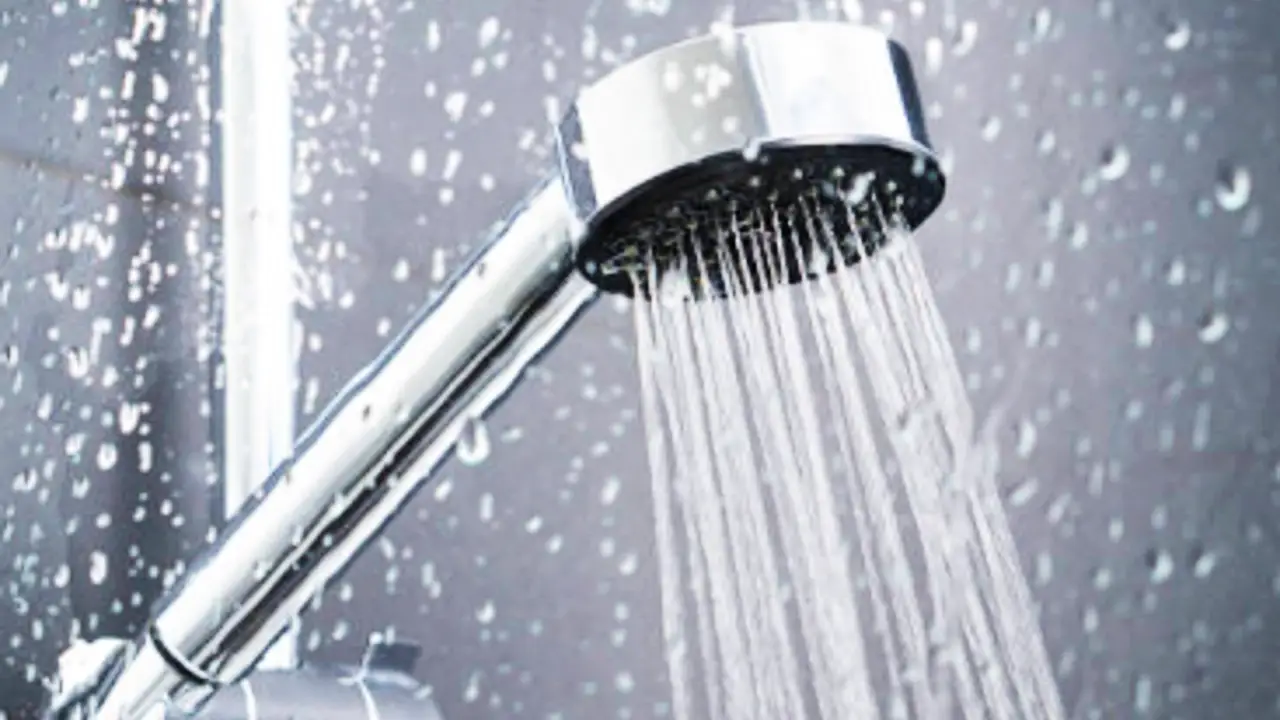
Common shower booster pump brands and their costs
There are a few different brands of shower booster pumps to choose from. Stuart Turner pumps are the leading shower pump brand in the UK and offer budget to premium options, while Salamander and Grundfos are popular brands that often come at higher price.
| Image | Name | Cost |
|---|---|---|
 |
Grundfos Twin Shower Pump 1.5bar | £115.00 |
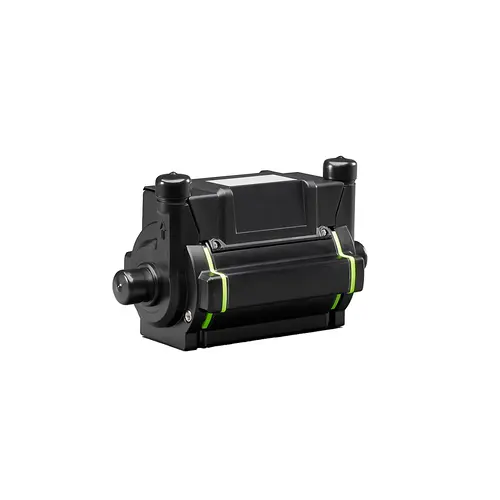 |
Salamander ORA 1.5 Twin 1.5 bar Shower Pump | £127.00 |
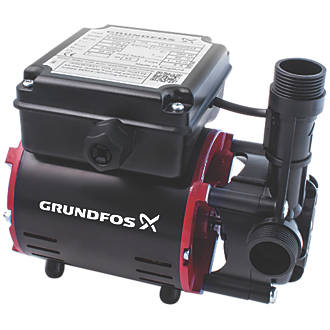 |
GRUNDFOS REGENERATIVE SHOWER PUMP 2.0BAR | £149.95 |
 |
Salamander CT Force Brass 3.0 Bar Twin Positive Shower Pump | £310.00 |
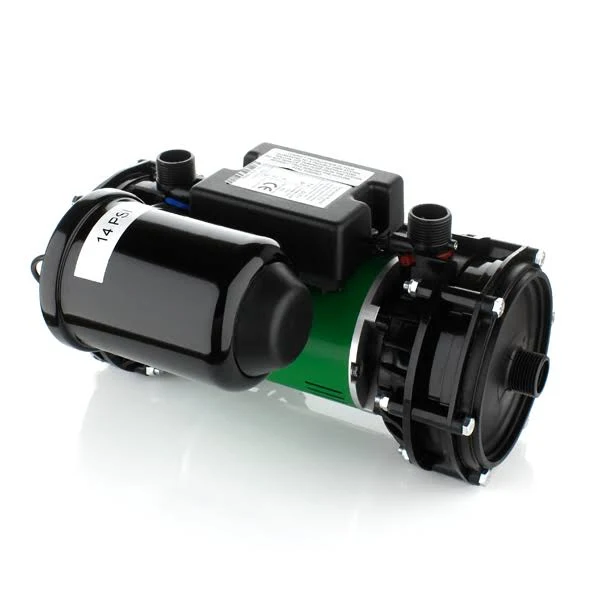 |
Salamander 2.2 Bar Twin Shower Pump | £388.00 |
 |
Grundfos Twin Shower Pump 3.0BAR | £390.00 |
There are positive and negative head shower pumps, and which one you need depends on your setup:
- You’ll need a positive shower pump if the showerhead you want to increase the pressure to is below the cold water storage tank
- You’ll need a negative (or universal) shower pump if the showerhead is at the same level or higher than your cold water tank
A plumber will be able to advise you on the type of shower booster pump you need.
What is a shower booster pump?
A shower booster pump is a pump that is usually fitted to your water cylinder (often in your airing cupboard) or near the cold water tank to produce better water pressure. You will need a gravity-fed, vented system with a water tank in the loft. Shower booster pumps can boost the pressure to most types of showers, so you won't need to replace your existing shower if you're happy with it.
A shower booster pump can boost both hot and cold water, but there are options available if you only need to boost hot water. A plumber will be able to tell you what you need.
Where should a shower booster pump be installed?
A shower booster pump should ideally be installed on your hot water cylinder, and you should have a gravity-fed system with a tank in the loft. If it’s not possible to install it on your cylinder, it can be fitted near your cold water tank.
If you don't have a tank in your loft, because you have a combi boiler or because you have an unvented system, you can't get a shower booster pump - but you could fit a mains booster pump.
How do I know if I need a booster pump for my shower?
You'll probably know if you need a booster pump for your shower, because you’ll be unhappy with the pressure! A good way to test whether you have low pressure is to see how long it takes you to fill a 1 litre jug using your showerhead. If it takes more than 6 seconds, you probably have low pressure and could benefit from a booster pump.
Since there are quite a few different types of shower booster pumps, all providing different levels of pressure and using hot and cold feeds, it’s best to consult an expert to ensure you get the right one for your home.
Can I fit a booster pump to an electric shower?
In general, you can’t fit a booster pump to an electric shower. There is only one type of booster pump that you can legally retrofit to an electric shower, the ShowerPowerBooster.
This type of pump boosts the cold feed to an electric shower in compliance with water bylaws, but bear in mind that your electric shower will still only be able to supply hot water at the rate that it can heat it. If you have a gravity-fed vented system, it might be worth considering installing a power shower or a mains shower that you can then fit a booster pump to.
Can you fit a shower pump with a combi boiler?
You can’t fit a shower pump with a combi boiler as pumps use gravity-fed systems with water cylinders to work properly. However, you could fit a mains pump, sometimes called a low-flow pump, which will increase the pressure to all the water outlets in your home. This should cost anywhere between £250-£450 to supply and fit.
You can only legally increase your flow rate up to 12 litres per minute, while good pressure in the UK is considered to be between 10-15 litres per minute. Any mains booster pump that a plumber fits will operate in the legal range.
Bear in mind that since a mains pump is activated whenever you use water in your home, it will get much more use than a normal shower booster pump. That means that it won’t last as long as a shower pump.
It’s also worth considering where your mains pump will need to be fitted. They are fitted to the mains water pipe just as it enters your property, which is usually under the kitchen sink - but not always. The pumps aren’t very noisy, but you might find it disruptive if it is installed near a bedroom or living room.
What is the lifespan of a shower pump?
A good-quality, professionally-installed shower pump will typically last 5-10 years, depending on usage and water quality. Cheaper pumps may fail sooner, while high-end models from brands like Stuart Turner or Grundfos tend to be more durable.
Hard water can reduce lifespan by causing limescale build-up, so if you live in a hard water area, fitting a scale reducer or water softener can be a worthwhile investment.
Regular maintenance by a qualified plumber will help extend the life of your pump. Most good shower pumps will have a warranty of two years, so make sure to check your pump’s warranty before you have any maintenance or repair work done.
Do shower pumps use a lot of electricity?
Shower pumps are fairly efficient, with most using between 100–600 watts, depending on their power and efficiency. Since they only run while the shower is on, the cost is minimal - similar to a few LED light bulbs being on at once.
Over the course of a year, running costs typically range from £10–£30, depending on usage and electricity rates. Compared to the comfort they provide, the ongoing cost is quite low. If you’re concerned about your pump’s energy consumption, check the manufacturer’s guidelines and ask your plumber for advice before installation.
Do I need a plumber or an electrician to fit a shower pump?
You’ll need a plumber who is Part P-certified to fit your shower pump, or if your plumber is not Part P-certified, they will need to ask an electrician to connect and test the electrics once the booster pump is plumbed in.
In most cases, a Part P-certified plumber can handle the full installation, especially if there's an existing fused spur nearby for electrical connection. If no electrical connection exists or if wiring needs to be upgraded, you may also need a qualified electrician.
Do shower pumps need servicing?
Shower pumps don’t usually need regular servicing by a plumber, but it’s worth doing some checks on them yourself at least once a year. You should:
- Descale your showerhead regularly, as this can cause drops in pressure
- Check for leaks or unusual noises
- Ensure filters are clear of limescale or other debris
- Check that electrical connections are safe and dry
Cleaning the filters and checking fittings is safe to do yourself if you understand how to turn off the electrical supply to the pump, but if the pump is noisy or underperforming, it’s best to have a plumber take a look.
Is it worth getting a shower pump?
If your current water pressure is disappointing and you want to enjoy a powerful shower without overhauling your entire plumbing system, a shower booster pump is absolutely worth considering. It can:
- Instantly improve water flow and showering experience
- Be more affordable than installing a new bathroom suite
- Help avoid low-pressure frustrations in multi-storey or older homes
If you’ve got a gravity-fed heating system, a pump is often the most efficient and cost-effective solution.
Not sure what kind of shower booster pump you need? Want a more accurate price? Post your job with HaMuch now to get quotes from plumbers in your area.