Boost hygiene and cut toilet paper costs from £445
- How much does a bidet cost to install?
- Bidet brands in the UK
- Factors affecting the cost of bidet installation
- Types of bidets
- Do you need a plumber to install a bidet?
- Can I add a bidet to my existing toilet?
- Do you need a separate water line for a bidet?
- Are bidets expensive to run?
- Does a bidet add value to a property?
- Are bidets worth the money?
- Install a bidet cost in the UK
A bidet is a fantastic addition to your bathroom. While not as popular in the UK as in other parts of the world, they are ideal for increasing hygiene and reducing toilet paper use, which is good for the environment and reduces the risk of pipe blockages.
In this guide, we’ll go through the costs of installing a bidet and what you need to consider before you install one.
How much does a bidet cost to install?
The cost to install a bidet will vary depending on the brand and type of bidet you choose, how easy installation will be and your plumber’s rates based on where you are in the country.
|
Item |
Average cost |
|
Bidet and installation |
£460 |
|
Bidet toilet seat |
£200-£500 |
|
Bidet shower |
£25-£450 |
|
Smart bidet toilet |
£800-£2,400 |
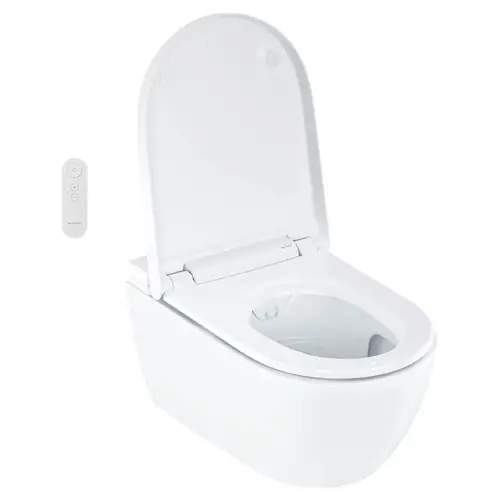
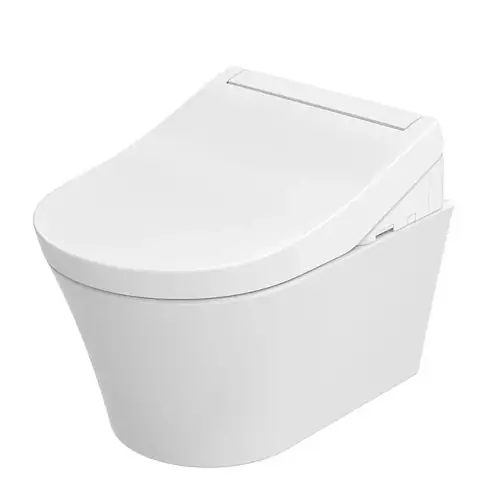
These days, there are lots of bidet options to choose from, including bidet toilet seats and smart bidet toilets that have features like self-cleaning hoses, smart nightlights and wireless remotes. If you’re looking for a more budget-friendly option, a bidet toilet seat is a good choice.
Bidet brands in the UK
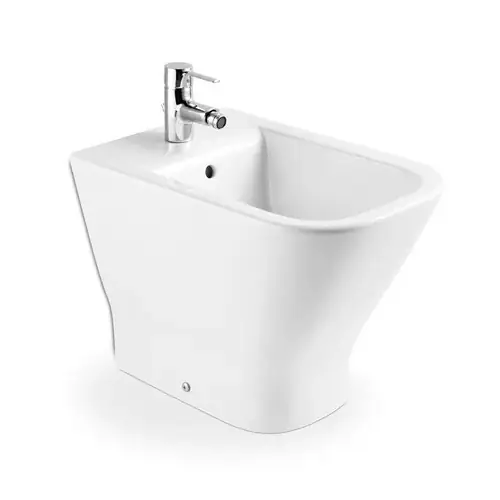
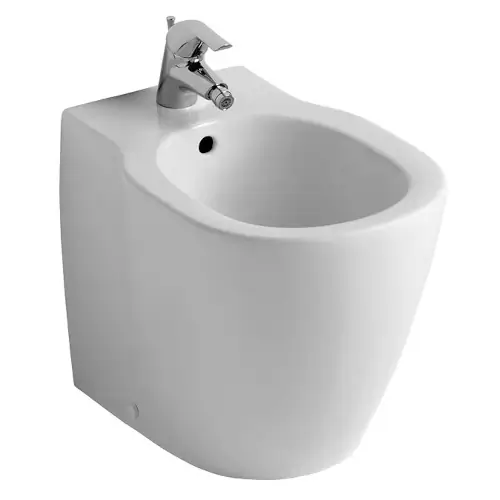
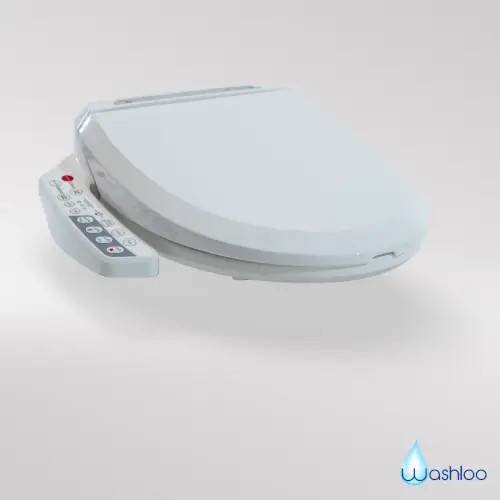
While bidets and bidet toilet seats aren’t that common in UK households yet, there are still plenty of brands to choose from. Here are some of the top brands and models of bidets in the UK and how much you should expect to pay:
Factors affecting the cost of bidet installation
The final cost of installing your bidet could be higher or lower than our averages, depending on a few key factors. Understanding these can help you make informed decisions and avoid surprise charges.
1. Type of bidet
The biggest factor is the type of bidet you choose:
- A bidet toilet seat is an affordable option and is straightforward to install, often just replacing your current seat and connecting to your toilet’s water supply.
- A traditional floor-standing bidet is usually more expensive to install as it requires dedicated plumbing and possibly alterations to your bathroom layout.
- A smart bidet toilet with features like warm water, air drying, and heated seats can significantly increase both supply and installation costs due to the need for electrical work.
2. Quality and brand of the unit
Premium brands like TOTO or Washloo for bidet toilet seats may cost more upfront, but they often offer better durability, water efficiency and user comfort. A cheaper off-brand model might save money initially, but could cost more in maintenance or replacements over time.
3. Existing plumbing and electrics
If you already have a bidet and are simply replacing it, installation will be quicker and cheaper because the necessary pipework is already in place.
However, if you’re installing a bidet for the first time, your plumber may need to add new water lines, fit shut-off valves or add an electrical socket for a smart model — all of which increase labour time and costs.
4. Bathroom layout and accessibility
Bathrooms with limited space or awkward layouts may require extra work to fit the bidet properly. Wall-hung and back-to-wall models, for example, may need extra structural support or concealed pipework, which could increase the complexity and price of installation.
5. Finishing and extras
Don’t forget about finishing touches like tiling, sealing, or adjusting flooring. These might not be included in your plumber’s initial quote, but can add to the total cost if needed.
Similarly, if you're upgrading to a smart bidet seat, you might need a waterproof socket or fused spur nearby, which will add to both labour and material costs.
6. Location in the UK
As with most trades, labour costs vary by region. London and the south east tend to have the highest plumbing rates, while areas in the north and parts of Wales or Scotland can be more budget-friendly. Take a look at our bidet installation cost table to understand pricing in your area.
Types of bidets
Back-to-wall bidet
Back-to-wall bidets sit flush to the bathroom wall, so all the plumbing is concealed. They look stylish and keep your bathroom looking neat and tidy.
Wall-hung bidet
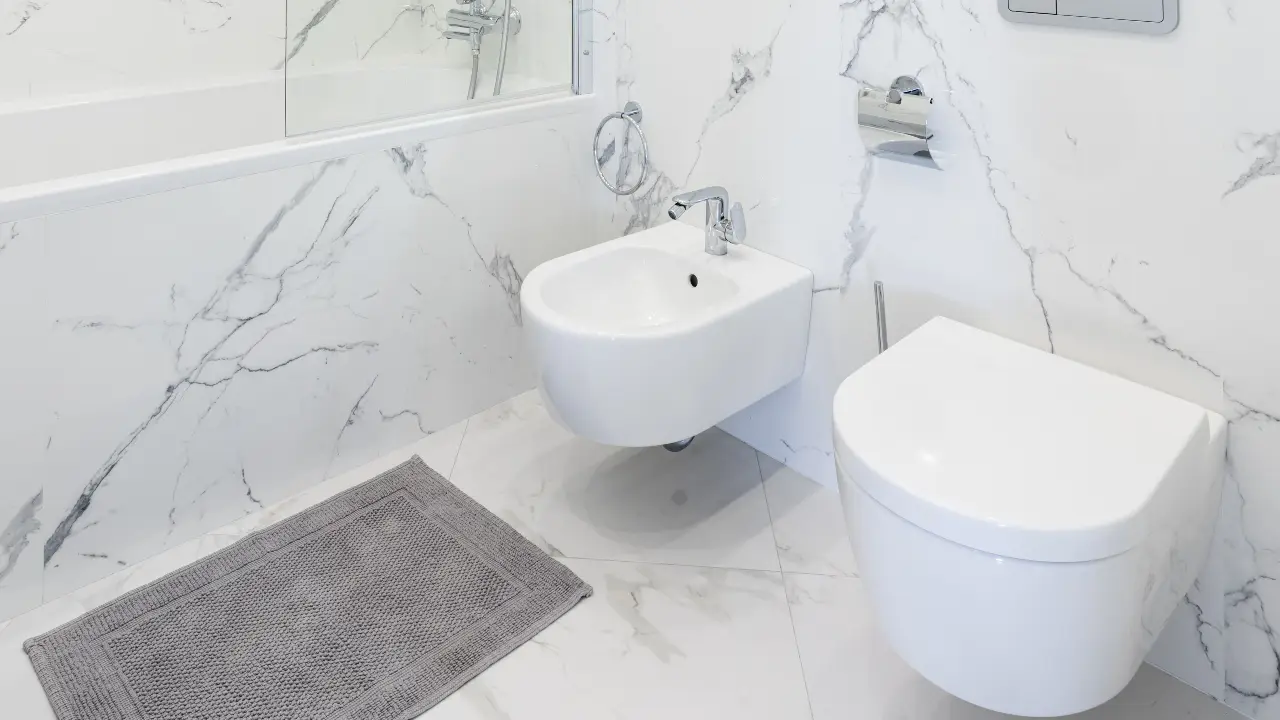
A wall-hung bidet is a great option for when you’re short on space in your bathroom. A plumber fixes this type of bidet to the wall using a support frame, and again the pipework is concealed. Wall-hung bidets work well in contemporary bathrooms.
Floor-standing bidet
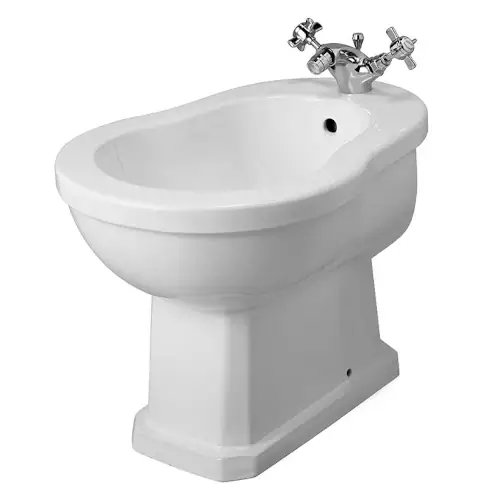
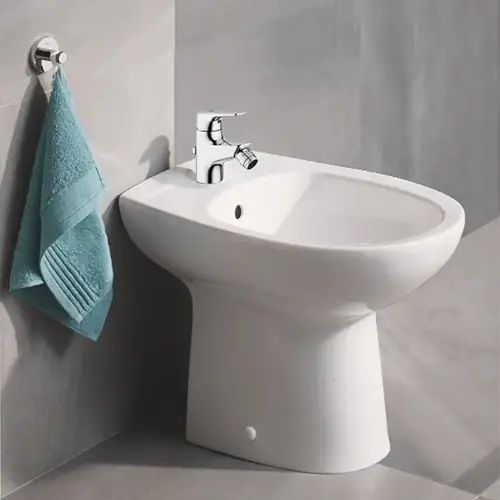
Floor-standing bidets are self-contained units that are fixed to the floor of the bathroom. These types of bidets often last longer than others, and are relatively easy to install. They often offer a more classic look that can complement period-style bathrooms.
Bidet toilet seat
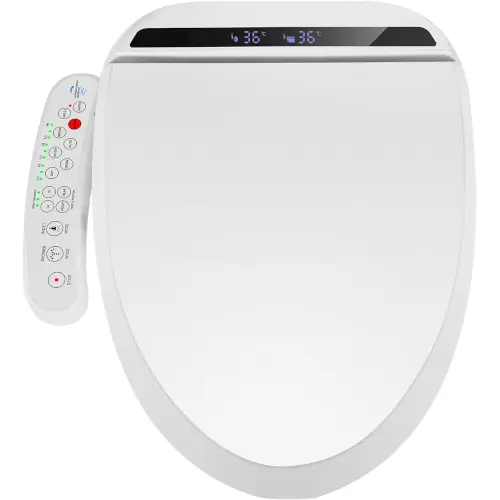
Bidet toilet seats are ideal for small bathrooms that don’t have space for a separate bidet. They’re simply a toilet seat with a bidet spray attachment that you can fit to your toilet in the same way as any other toilet seat. There are also smart bidet toilet seats available that may have seat warmers and retractable hoses.
Do you need a plumber to install a bidet?
Yes, you do need a plumber to install a bidet. As bidets aren’t very common in the UK yet, not all plumbers fit them, so make sure you get in touch with a few plumbers to check that they can help you.
It might be easier to install a bidet yourself if you already have one and you’re just replacing it, as all the right pipework should be there. It will be more difficult to install a bidet yourself if you need to add pipework, so there’s more chance of it going wrong and you causing a leak. It's best to leave it to the professionals to ensure that your bidet installation is done correctly.
Can I add a bidet to my existing toilet?
Yes, you can add a bidet to your existing toilet – with a bidet toilet seat. Bidet toilet seats are very easy to install as you simply switch your current toilet seat over to the new one.
Bidet toilet seats usually use an adaptor to connect to the water pipe that feeds your toilet tank, so be sure that you're comfortable connecting this before you attempt installation yourself.
A bidet toilet seat will set you back between £200-£500, depending on whether you decide to buy a smart bidet toilet seat or not. Smart toilet seats may have built-in dryers and seat warmers, so if that sounds worth it to you, consider spending a bit more.
Do you need a separate water line for a bidet?
You may need a separate water line for your bidet. Standalone bidets require hot and cold water supply lines and a dedicated drain, similar to a sink. If the water lines and drain aren’t connected correctly, you could end up with leaks and damage to your bathroom floor or furniture.
If you’re having a bidet toilet like a TOTO WASHLET installed, this usually only needs a cold water supply and an electrical outlet. Because of this, your plumber should be Part P-certified or they should have an electrician come to complete the electrical side of installing your bidet.
Bidet toilet seats can be connected to your toilet’s existing cold water line and just need an electrical outlet if you have one with smart features.
Are bidets expensive to run?
Most traditional bidets use only a small amount of water per use - usually around 1-2 litres - so their running costs are minimal. Even smart bidet toilet seats, which may require electricity to power features like heated seats or air dryers, are generally energy efficient.
The average cost of electricity for a smart bidet seat is just a few pence per day, depending on how often it’s used and your tariff.
If you’re concerned about energy use, look for models with eco modes or timers that reduce consumption. In many cases, the money you save on toilet paper will more than make up for the small increase in water or electricity usage, especially over time.
Does a bidet add value to a property?
While bidets are not yet common in UK homes, they are becoming more desirable, particularly in modern, eco-conscious households and high-end renovations. Installing a bidet, especially a smart bidet, can set your bathroom apart and appeal to buyers looking for luxury touches or improved hygiene.
In short, a bidet won’t necessarily add a huge amount of value on paper, but it can enhance the perception of quality and care in your home - and that could make it more attractive to the right buyer.
Are bidets worth the money?
It's up to you to decide whether bidets are worth the money, but there are a few benefits to bidets to bear in mind when you’re deciding:
Save money: You’ll use less toilet paper with a bidet, so you won't have to buy it as often.
Help the environment: By using less toilet paper, you’re contributing to fewer trees being cut down to make it.
Reduce blockages: Overuse of toilet paper is one of the top reasons for blocked toilets, so by using a bidet instead you reduce your risk of your pipes getting blocked.
If you’re ready to get a bidet installed, post your job on HaMuch. We’ll put you in touch with plumbers who work with bidets that can give you a quote, so you can compare prices.